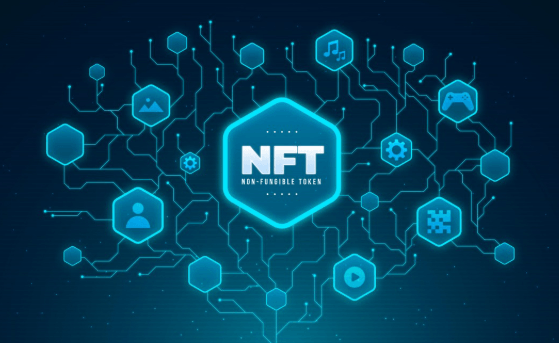
NFTs and crypto share foundational technology—distributed ledgers and cryptographic security—that enable verifiable, trustless transactions without central intermediaries. Digital provenance, smart contracts, and automated outcomes link ownership to history and custody. Digital scarcity underpins value, while standards and wallets provide a practical exchange layer. Real-world use cases show interoperable ecosystems across platforms and chains. The potential for creators, investors, and users is tangible, yet uncertainties remain, inviting careful scrutiny as the landscape evolves.
The Foundational Link: How NFTs and Crypto Share the Tech
Both NFTs and crypto rest on the same foundational technologies—distributed ledgers and cryptographic security—that enable trustless, verifiable transactions without central intermediaries. The shared base supports digital provenance by recording verifiable histories and chain-of-custody across assets.
Smart contracts codify rules, automate outcomes, and reduce counterparty risk. This convergence fosters transparent ecosystems while preserving user freedom through auditable, permissioned interactions.
How Digital Scarcity Drives Value in Both Worlds
Digital scarcity anchors value in both NFT ecosystems and crypto markets by limiting supply and signaling verifiable uniqueness. The mechanism supports price discovery, hingeing on perceived future usefulness, rarity, and collectability.
Market participants rely on transparent provenance and verifiable scarcity metrics, translating into disciplined value signaling. Yet skepticism persists: liquidity, governance, and external shocks can redefine perceived scarcity and ultimately alter valuations.
From Standards to Wallets: The Practical Exchange Layer
From the discussion of digital scarcity, it follows that practical exchange hinges on interoperable standards and the wallets that implement them. The analysis emphasizes ownership economics, where control, provenance, and liquidity hinge on compatible formats across platforms.
Cross chain interoperability remains a cautious prerequisite, reducing friction and risk while enabling modular, incentive-aligned exchanges between issuers, holders, and custodians.
Real-World Use Cases and What Comes Next for Creators, Investors, and Users
Real-world use cases illuminate how NFTs and crypto impact creators, investors, and users beyond theory, revealing patterns in ownership, monetization, and governance.
The landscape shows NFT governance evolving with licensing, creator royalties, and on chain provenance, while cross chain interoperability enables broader access.
Auctions and fractional ownership refine liquidity, metadata standards ensure reliability, and transparent provenance supports scalable, data-driven decision-making for all stakeholders.
See also: The Intersection of Technology and Innovation
Frequently Asked Questions
How Do Cross-Chain NFTS Affect Liquidity and Security?
Cross chain interoperability can alleviate liquidity fragmentation yet introduces provenance scaling and security risks; royalty mechanics and platform forks complicate regulatory compliance, environmental impact, and identity verification, while robust provenance data and regulatory alignment improve trust and freedom in markets.
Can NFT Royalties Survive Platform Transitions and Forks?
Answer: NFT royalties may endure some platform transitions and forks if on-chain provenance and identity verification persist; cross-chain liquidity and security, regulatory challenges, and provenance scaling influence environmental concerns, environmental concerns aside, while on-chain activity and regulatory clarity shape sustainability.
What Regulatory Challenges Uniquely Impact Nft-Backed Crypto Assets?
Regulatory challenges uniquely impact NFT-backed crypto assets through evolving securities and consumer protection frameworks, requiring rigorous compliance hurdles and privacy considerations, while remaining data-driven, cautious, and aligned with an audience prioritizing freedom and informed participation.
Are There Environmental Concerns With On-Chain NFT Activity?
Like a dim lighthouse, the on-chain NFT activity presents environmental concerns. The answer is that environmental impact and energy usage depend on the underlying blockchain, with proof-of-work systems typically higher than proof-of-stake alternatives, requiring cautious, data-driven assessment.
How Do Identity and Provenance Verifications Scale for NFTS?
Identity verification and provenance tracking scale through standardized metadata, interoperable ledgers, and scalable cryptographic proofs, enabling automated audits while noting potential privacy and developer burden. The approach remains cautious, data-driven, and oriented toward user freedom and accountability.
Conclusion
The relationship between NFTs and crypto rests on shared infrastructure: distributed ledgers, cryptographic security, and programmable trust. Digital scarcity and verifiable ownership elevate value in both realms, while standards and wallets form the practical exchange layer that underpins liquidity and interoperability. Real-world applications continue to expand, yet creators, investors, and users must navigate volatility, evolving norms, and uncertain regulation. As ecosystems mature, the promise persists—transparent provenance, automated governance, and scalable markets that reward verifiable creativity and discipline.