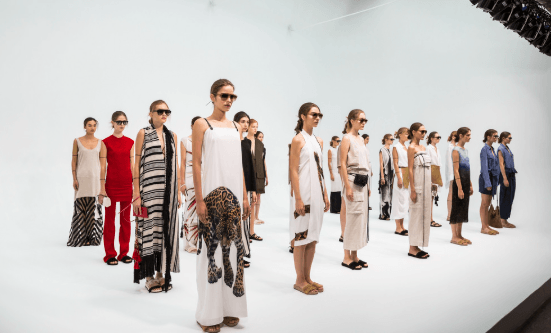
Fashion functions as a language people use to articulate inner beings without words. Colors, textures, and silhouettes translate mood, values, and autonomy into outward cues. A cohesive capsule can make self-presentation more durable and versatile, while mindful choices reveal consistent narratives. Yet the act of dressing remains a subtle negotiation between desire and constraint. What truths might surface when daily outfits align with deeper aims, and what discomforts accompany that alignment?
How Fashion Becomes Self-Expression
Fashion becomes self-expression when individuals translate internal identities into outward cues—colors, silhouettes, and textures that signal personal meaning rather than mere trend.
The process aligns personal branding with everyday choices, converting belief into visible narrative.
Observed patterns show deliberate wardrobe rituals, fostering consistent messaging while honoring autonomy.
This evidence-based view respects diverse expressions, supporting freedom without prescriptive rules or judgment.
Decode Mood, Values, and Identity Through Style
Color choices, silhouettes, and textures function as observable proxies for mood, values, and identity, offering a structured lens to interpret how individuals convey internal states through external presentation. The analysis notes mood reflection as a mechanism by which styles signal authentic temperament, while value signaling emerges through deliberate, culturally resonant cues. Detachment ensures evidence-based insight, acknowledging diversity in self-expression and freedom to choose.
Build a Personal Capsule: Color, Texture, and Silhouette
Building a personal capsule hinges on translating observed mood, values, and identity into a coherent, durable set of choices. The approach emphasizes color psychology, texture storytelling, and deliberate silhouette selection, aligning fabrics, hues, and cuts with lived experience. This evidence-based framing supports autonomy, reduces decision fatigue, and invites expressive freedom while maintaining consistency, versatility, and enduring relevance across contexts.
Practical Ways to Use Clothing as Daily Self-Discovery
Daily self-discovery through clothing can unfold as a steady conversation between mood, context, and choice, rather than a rigid mandate. The approach favors reflective practice: track outfits, note emotional shifts, and iteratively refine wardrobe cues. A two word discussion idea, two word discussion idea, prompts concise reflection, reducing overthinking while honoring autonomy, experimentation, and personal growth within daily style decisions.
See also: The Intersection of Technology and Innovation
Frequently Asked Questions
How Does Fashion Influence My Confidence in Social Settings?
The question: fashion influences confidence by shaping perception of social cues and enabling bold choices that reflect inner readiness; this alignment often enhances self-assurance in social settings, though impact varies with context, energy, and personal authenticity.
Can Wardrobe Changes Impact Mental Well-Being Over Time?
“Like a quiet tide,” wardrobe changes can influence mental well-being over time. Wardrobe therapy may support long term mood changes, offering empathetic, evidence-based insight into how clothing choices relate to autonomy and emotional freedom.
What Role Does Culture Play in Personal Style Choices?
Culture shapes personal style by guiding what is deemed appropriate, desirable, and meaningful, influencing choices beyond trend. It intertwines culture identity with regional aesthetics, shaping aesthetics while allowing individual agency within shared norms and expressive freedom.
How Can Fashion Express Political or Ethical Beliefs?
The coincidence of runways and protests reveals that fashion expresses political symbolism and ethical branding through deliberate silhouettes, materials, and messaging, guiding audiences toward awareness while validating diverse identities and freedom of belief within a public, evidence-based discourse.
Is It Possible to Use Fashion to Explore Identity Gradually?
Yes, it is possible; identity exploration can unfold gradually through evolving silhouettes, textures, and meanings, allowing orientation toward gradual self expression measured over time, while retaining evidence-based, empathetic insight that respects individual freedom and diverse stylistic trajectories.
Conclusion
In fashion, coincidence often feels like a quiet nudge—an accidental color pair, a reused silhouette, a fortuitous accessory—that nudges wearers toward self-understanding. The evidence lies in patterns: consistent mood shifts with wardrobe choices, or values echoed through textures and silhouettes. When individuals assemble a capsule, small, serendipitous alignments reinforce meaning, turning daily dress into a reflective practice. Style becomes more than appearance; it becomes a compassionate map, guiding authentic expression while inviting ongoing curiosity about who they are becoming.